Expression Font: A Guide to Its Unique Style
Understanding the Personality of Expression Font
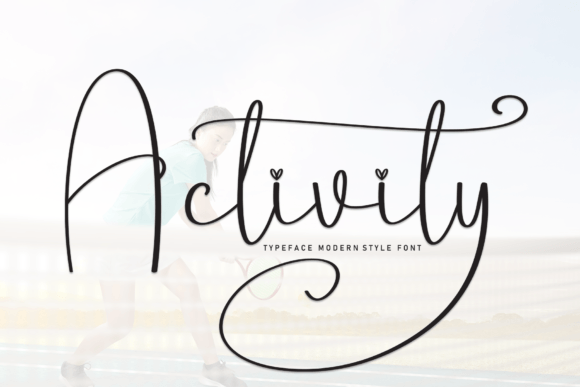
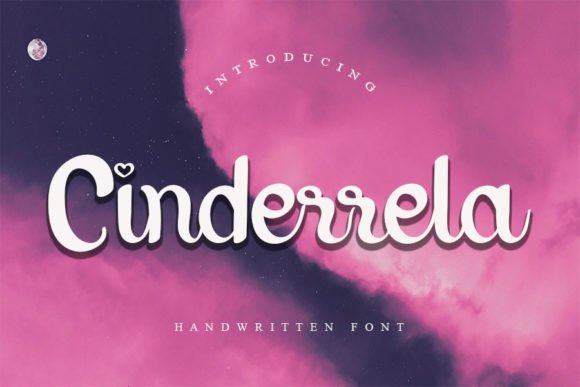
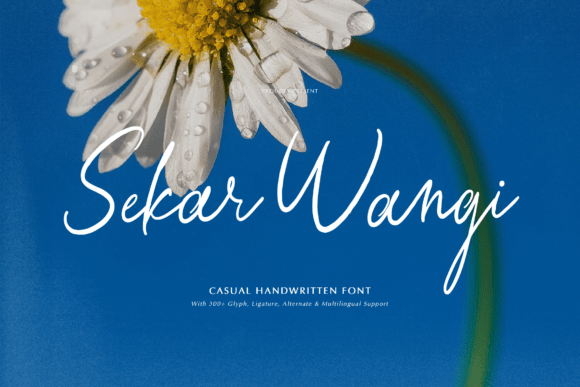
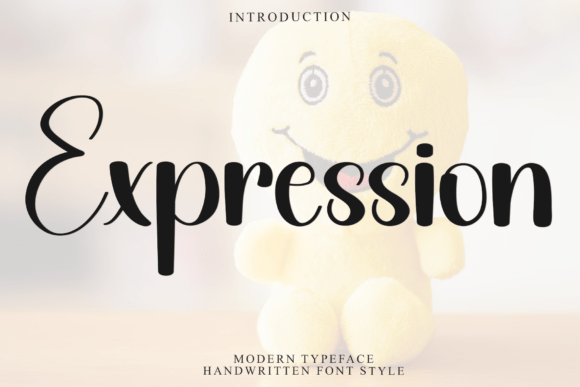
When you first encounter Expression Font, you immediately notice its soft, organic quality. It’s not a rigid geometric typeface, nor is it a chaotic script that’s hard to decipher. Instead, it sits in a sweet spot—offering a handcrafted, human touch with enough structure to remain highly legible. As a display font, it brings a distinct personality to the table, characterized by unique strokes and a flow that feels both artistic and intentional. This isn't just another premium font; it's a design asset with character.
Imagine the gentle curves of a handwritten font that has been carefully refined for commercial use. The letterforms have a natural weight variation, mimicking the pressure of a brush or a soft-tipped pen. This gives Expression Font a warmth that many stark, digital typefaces lack. It’s a creative font designed to evoke emotion, making it perfect for projects where you want to establish a personal connection with your audience. Whether you're a designer crafting a brand identity or a small business owner creating social media graphics, this typeface adds a layer of authenticity and approachability.
Where Expression Font Truly Shines
The versatility of Expression Font is one of its strongest assets. It’s not limited to a single niche; instead, it adapts beautifully across a spectrum of applications. In logo design, it can create a memorable and distinctive mark that stands out from the competition. For packaging design, its organic feel can convey natural ingredients, artisanal quality, or a personal touch—think of a boutique candle label or a handmade soap box.
For those in editorial design and publishing, this font works wonderfully for chapter titles, pull quotes, or magazine headers. It draws the eye without overwhelming the body text. In the digital realm, it’s a fantastic choice for web design headers, blog post titles, and email newsletter graphics. Its compatibility with various platforms, including Windows and open-source software, ensures a smooth workflow. Here are a few specific scenarios where it excels:
- Branding & Identity: Crafting logos, business cards, and brand guidelines for lifestyle brands, wellness coaches, or creative studios.
- Marketing Materials: Designing flyers, posters, and digital ads for events, product launches, or seasonal campaigns.
- Publishing & Content: Creating engaging cover art for books, eBooks, and reports, or stylized headers for blogs and articles.
- Personal & Commercial Projects: Perfect for wedding invitations, greeting cards, craft projects, and merchandise like T-shirts or mugs.
It’s important to remember that while Expression Font is a creative font, it’s designed with practicality in mind. The included character set is robust, often containing alternates, ligatures, and multilingual support, which gives you the flexibility to fine-tune your typography and avoid repetition in your designs.
Making the Most of Your Typography
Choosing the right font is only half the battle; using it effectively is what elevates a design. Expression Font is primarily a display font, meaning it’s crafted for impact at larger sizes. You wouldn’t set a lengthy paragraph with it. Instead, use it strategically to create visual hierarchy. Pair it with a clean, simple sans serif font or a traditional serif font for body copy. This contrast ensures readability while allowing the personality of Expression Font to command attention where it matters most—like a headline or a key call-to-action.
Before finalizing your design, always test the font in context. How does it look on a dark background versus a light one? Does it maintain its clarity when scaled down for a mobile screen? For commercial projects, verify the licensing to ensure it covers your intended use, whether for a single client or a full product line. A great font pairing might involve using Expression Font for the main logo and a complementary modern typography style for supporting text, creating a cohesive and professional brand identity.
Ultimately, Expression Font is more than just a collection of letters; it’s a tool for storytelling. Its soft, distinctive strokes can influence how your audience perceives your brand—whether as friendly, innovative, elegant, or authentic. By understanding its strengths and applying it thoughtfully, you can leverage this typeface to create designs that are not only visually appealing but also meaningful and effective in achieving your communication goals. It’s a valuable addition to any designer’s toolkit, ready to bring a unique and human touch to a wide array of creative works.