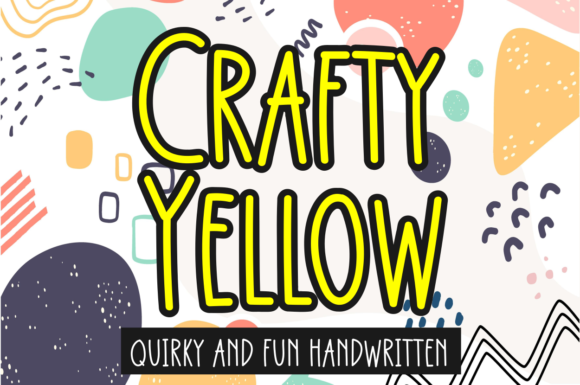
Happy Valentine Font: Adding Flowing Elegance to Your Projects
There’s a certain warmth that comes with a handwritten note. It feels personal, considered, and real. In a world saturated with digital noise, that human touch is more valuable than ever. This is the core appeal of a typeface like Happy Valentine Font. It’s not just a collection of letters; it’s a flowing, handwritten script designed to inject personality and elegance into your work. With its distinct, timeless style, it offers a way to create designs that feel both sophisticated and deeply personal.
The Anatomy of an Elegant Script
Understanding what makes a premium font work is key to using it effectively. Happy Valentine Font is best described as a script font with a modern, flowing character. Its strokes connect naturally, mimicking the fluidity of a skilled hand with a brush or pen. The letterforms have a gentle rhythm, with graceful loops and a consistent baseline that provides stability despite its casual appearance. This isn't a rough, scratchy font; it’s polished. The visual hierarchy it creates is soft yet clear, drawing the eye without shouting.
Its personality is one of approachable elegance. It feels romantic, of course, but also trustworthy and creative. Think of it as the typographic equivalent of a beautifully wrapped gift or a handwritten thank-you card. For designers and brand strategists, this makes it a powerful tool for establishing a specific brand identity. It communicates that a brand values aesthetics, detail, and a personal connection with its audience.
Where This Font Truly Shines: Practical Applications
A font’s value is realized in its application. The versatility of Happy Valentine Font makes it a valuable design asset across numerous fields. Its strength lies in projects where emotion and personality are paramount.
- Logo Design & Brand Identity: For businesses in the wedding, beauty, boutique retail, or artisan food sectors, this font can form the cornerstone of a logo design. It immediately conveys a sense of care and craftsmanship. When used for a wordmark or paired with a simple serif font or sans serif font for secondary text, it builds a cohesive and memorable brand.
- Marketing & Social Media Graphics: On platforms like Instagram and Pinterest, visual impact is everything. Use Happy Valentine Font for quotes, headers, and call-to-action text in social media graphics. Its elegant touch helps content stand out in a crowded feed, increasing engagement and shareability.
- Publishing & Editorial Design: In editorial design, it’s perfect for chapter titles, pull quotes, or special section headers in magazines, books, and blogs. It adds a layer of visual interest and breaks up dense text, improving the reader's journey.
- Packaging Design: For product labels, gift tags, or box design, this script font adds a tactile, high-end feel. It’s particularly effective for packaging design where the goal is to evoke a sense of luxury, nostalgia, or handmade quality.
- Digital & Web Design: Used judiciously in web design, it can elevate headlines, hero section text, or promotional banners. Its key is to maintain readability—it’s best for larger display sizes rather than body text.
- Personal Projects & Crafting: For crafters, hobbyists, and small business owners, it’s a versatile creative font for creating custom invitations, greeting cards, personalized stationery, and printable art. Its timeless style ensures projects feel current for years.
Making It Work: A Designer’s Guide to Implementation
Choosing the right typeface is only half the battle; using it well is what separates good design from great. Here’s how to approach working with a font like Happy Valentine.
Evaluating Fit and Context
Before you commit, test the font in the context of your project. Does its personality align with your message? A flowing script might be perfect for a wedding photographer’s website but less suitable for a legal firm’s annual report. Always consider your audience. The goal is to enhance audience engagement, not create a disconnect.
The Art of Font Pairing
A font pairing is like a conversation between typefaces. Happy Valentine Font, with its strong character, pairs best with neutral, stable companions. A classic serif font like Times New Roman or Georgia can provide a traditional, authoritative counterpoint. A clean, geometric sans serif font like Helvetica or Montserrat offers a modern, minimalist balance. The contrast allows the script to shine as a display font for headlines while the companion font handles readable body copy.
Readability and Hierarchy
Never sacrifice readability for style. This font is designed for impact at larger sizes—use it for headers, titles, and short phrases. For longer paragraphs or small text, always opt for a more legible sans serif or serif. This practice creates a clear visual hierarchy, guiding your viewer’s eye naturally from the expressive headline to the informative body text.
Reviewing the Complete Package
When investing in a commercial font, look at the full offering. Does it include multiple weights, stylistic alternates, or ligatures? These features provide flexibility. Stylistic alternates can change the look of a letter, allowing for more customization in logos or monograms. Understanding the full character set ensures you get the most value from the design assets you acquire.
Licensing for Professional Use
For any professional or commercial project, verify the font’s license. A proper commercial font license from a reputable foundry or marketplace ensures you have legal permission to use the work in client projects, on merchandise, and across digital platforms. This is a critical step in maintaining professionalism and protecting your business.
Ultimately, a font like Happy Valentine is more than just a tool; it’s a bridge to your audience. It helps translate an idea into a feeling, a brand into a relationship. By understanding its strengths and applying it thoughtfully, you can leverage its elegant, flowing style to create work that is not only beautiful but also deeply resonant and effective.